
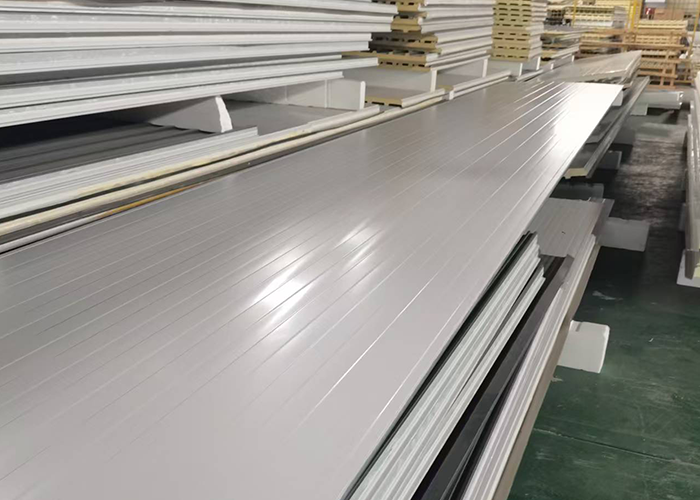
UV Protection and Reflectivity in Insulated Aluminum Roofing
Introduction
In modern construction, roofing materials must meet multiple performance criteria, including durability, energy efficiency, and resistance to environmental factors. Among these, protection against ultraviolet (UV) radiation and high solar reflectivity are critical for long-term performance and energy savings. Insulated aluminum roofing has emerged as a leading solution due to its inherent properties and ability to be enhanced with specialized coatings. This paper explores the role of UV protection and reflectivity in insulated aluminum roofing, examining material properties, coating technologies, energy efficiency benefits, and maintenance considerations.
The Importance of UV Protection in Roofing
UV Radiation and Its Effects
Ultraviolet radiation from the sun is a major contributor to material degradation in roofing systems. Prolonged exposure to UV rays can cause:
- Material Breakdown – Organic components in roofing materials, such as binders or coatings, can deteriorate, leading to cracking, fading, and loss of structural integrity.
- Thermal Expansion and Contraction – Repeated heating and cooling cycles can weaken metal roofs over time, causing warping or fastener failure.
- Color Fading – UV exposure can degrade pigments in painted or coated roofing, reducing aesthetic appeal.
Aluminum roofing naturally resists UV damage better than many other metals due to its oxide layer, which forms a protective barrier. However, additional UV-resistant coatings further enhance longevity.
How Insulated Aluminum Roofing Resists UV Damage
Insulated aluminum roofing combines the metal’s natural durability with advanced protective layers:
1. Anodized Finishes – An electrochemical process thickens aluminum’s oxide layer, improving corrosion and UV resistance.
2. PVDF (Polyvinylidene Fluoride) Coatings – These high-performance fluoropolymer coatings offer superior UV reflectivity and color retention.
3. Ceramic-Infused Paints – Some coatings incorporate ceramic particles to reflect UV rays and reduce heat absorption.
Solar Reflectivity and Energy Efficiency
The Role of Reflectivity in Roofing Performance
Solar reflectivity, or albedo, measures how much sunlight a surface reflects rather than absorbs. High-reflectivity roofing can significantly reduce cooling costs by minimizing heat transfer into buildings.
- Cool Roofing Standards – Organizations like the Cool Roof Rating Council (CRRC) certify roofing materials based on solar reflectance (SR) and thermal emittance (TE).
- Energy Savings – Highly reflective roofs can lower roof surface temperatures by up to 50°F (28°C), reducing air conditioning demand by 10–30%.
Aluminum’s Natural Reflectivity
Aluminum is inherently reflective, with an initial solar reflectance of about 85% for bare metal. However, when painted or coated for aesthetic purposes, this value decreases. Modern insulated aluminum roofing systems use specialized reflective coatings to maintain high solar reflectance while offering color options.
Advanced Reflective Coatings
1. Cool Roof Coatings – These white or light-colored coatings maximize solar reflectance, often achieving SR values above 70%.
2. Infrared-Reflective (IR) Pigments – Darker-colored roofs can still achieve high reflectivity by using pigments that reflect infrared radiation.
3. Multi-Layer Coating Systems – Some roofs combine primers, base coats, and clear topcoats to enhance durability and reflectivity.
Insulation and Thermal Performance
The Role of Insulation in Aluminum Roofing
While reflectivity reduces heat absorption, insulation prevents heat transfer into the building. Insulated aluminum roofing panels often incorporate:
- Polyurethane or Polyisocyanurate Foam – These rigid insulation materials provide high R-values (thermal resistance).
- Vapor Barriers – Prevent condensation within the roofing system.
- Thermal Breaks – Reduce thermal bridging, where heat transfers through metal fasteners.
Combined Benefits of Reflectivity and Insulation
A well-designed insulated aluminum roofing system can:
- Reduce Heat Island Effect – By reflecting sunlight, these roofs mitigate urban heat buildup.
- Enhance Indoor Comfort – Lower heat absorption means more stable indoor temperatures.
- Extend Roof Lifespan – Less thermal stress reduces material fatigue.
Maintenance and Longevity
Durability of Insulated Aluminum Roofing
Aluminum roofing is naturally resistant to corrosion, especially when coated. However, maintenance practices can further extend its lifespan:
- Regular Inspections – Check for scratches, coating damage, or insulation degradation.
- Cleaning – Remove dirt and debris that may reduce reflectivity.
- Recoating – If coatings degrade over time, reapplying reflective layers can restore performance.
Cost vs. Long-Term Savings
While insulated aluminum roofing may have a higher upfront cost than traditional materials, its durability and energy savings often result in lower lifecycle costs.
Environmental Considerations
Sustainability of Aluminum Roofing
- Recyclability – Aluminum is 100% recyclable without loss of quality.
- Reduced Carbon Footprint – Reflective roofs lower energy consumption, decreasing greenhouse gas emissions.
- LEED Certification Potential – High-reflectivity roofs can contribute to green building certifications.
Conclusion
Insulated aluminum roofing offers a high-performance solution for UV protection and solar reflectivity. Its natural resistance to UV damage, combined with advanced coatings and insulation, makes it an energy-efficient and durable choice for modern construction. By reducing heat absorption and lowering cooling costs, these roofing systems contribute to sustainability while providing long-term value. As building codes increasingly emphasize energy efficiency, insulated aluminum roofing will likely remain a preferred option for commercial and residential applications.
---
This paper provides a comprehensive overview of UV protection and reflectivity in insulated aluminum roofing while avoiding any company-specific references. Let me know if you'd like any modifications or additional details.
Contact Person: Wang Ye
Tel: +86 158 33457666
Email: 944713874@qq.com
Address: South side of Yuxin Highway, Dongxian Village, Yahongqiao Town, Yutian County, Tangshan City, Hebei Province
Search


Copyright © 2025 Tangshan Juze Technology Co., Ltd. All rights reserved
This website uses cookies to ensure you get the best experience on our website.
 Español
 العربية
 हिन्दी
 Tiếng Việt



 Phone
Phone
Comment
(0)